- Phone : +971 503636587
- Email : sales@dubaidryice.ae

We supply high-quality dry ice solutions across the UAE for industrial, commercial, and event needs. Fast delivery and professional service you can trust.





A liquid nitrogen tank built with a weak seal loses its cold fast, sometimes within hours instead of weeks. For labs, clinics, and businesses relying on that cold to protect samples or supplies, that gap can mean real loss.
Dubai Dry Ice supplies liquid nitrogen tanks built with a tight vacuum seal, so what goes in stays cold for the long haul, whether it’s sitting in one place or moving between sites.
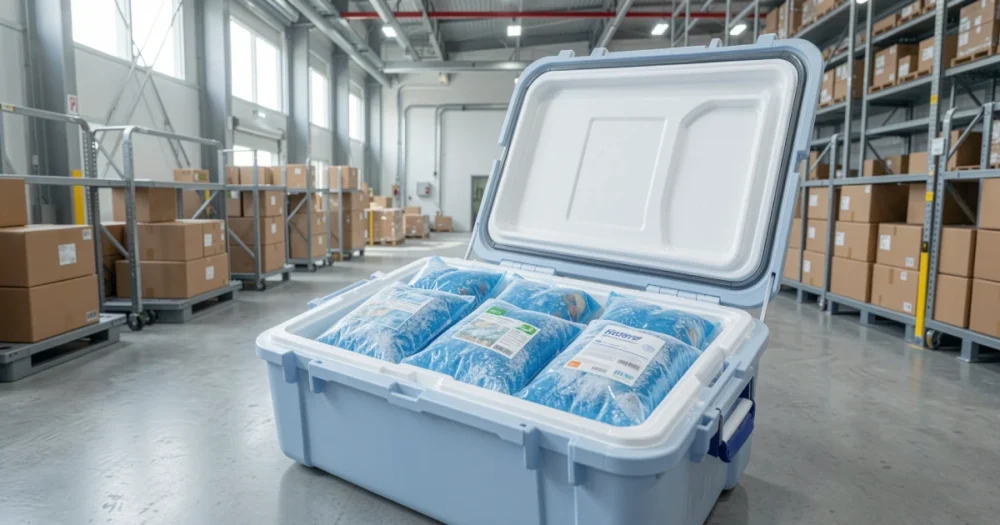
Liquid nitrogen sits at around -196°C, and not every container is built to hold it. A weak or damaged seal lets outside heat in, which speeds up evaporation and shortens how long your supply actually lasts. Samples that need constant cold can be ruined if a tank can’t hold its temperature through a delay or a longer trip than planned. Getting the tank right matters as much as getting the nitrogen itself.
A proper tank uses two walls with a vacuum sealed in between. That vacuum gap is what stops heat from reaching the liquid nitrogen inside. The tighter that seal, the slower the nitrogen evaporates, and the longer a single fill lasts before it needs topping up again.
The right tank depends on how often you’ll open it and how long it needs to hold its cold between refills. A lab running daily withdrawals needs something different from a facility that fills once and stores for weeks. Our team looks at how the tank will actually be used, not just how big it is, before recommending one.
Laboratories storing samples and cell lines that must stay frozen solid, not just cold. Hospitals and clinics working with material that can’t be replaced if the temperature slips. Food and beverage businesses using liquid nitrogen for fast freezing or specialty preparation. Industrial and research teams testing materials or equipment at extreme cold.
Keep the tank upright at all times, during storage and transport alike. Never seal it completely airtight, since a small, steady release of gas is normal as the liquid slowly warms. Use gloves rated for cryogenic contact whenever it’s opened, and keep the space around it ventilated, especially indoors.
Before a liquid nitrogen tank goes out for delivery, it gets checked for seal strength, since that’s the one thing that decides how long your supply actually lasts. A tank that fails this check doesn’t go out, no exceptions. That’s the standard we hold every order to, not just the ones a customer happens to ask about.
That depends on the seal quality and how often you open the tank. A well-sealed tank left closed holds its cold far longer than one opened several times a day.
It depends on the seal and how full it is, but most tanks are fine sitting closed for a stretch. It's still worth a quick check now and then to make sure the level hasn't dropped faster than expected.
Yes, as long as fresh air can get in and move around. The tank gives off a small amount of gas while it travels, and that gas needs a way out, especially in a small, closed space.
Yes. On top of the tank, we make sure you're stocked with liquid nitrogen refills, so you won't need to find another supplier for that.
Skin contact with the tank or its contents, and poor ventilation around it. Cryogenic gloves and a well-aired space handle both of those risks.
Tell us how the tank will be used, how often, and where it needs to go. We’ll match you with the right build and get it out to you fast.

